
MIT class: How To Make (Almost) Anything
Learning exactly what the title says.
No projects here yet.
Learning exactly what the title says.
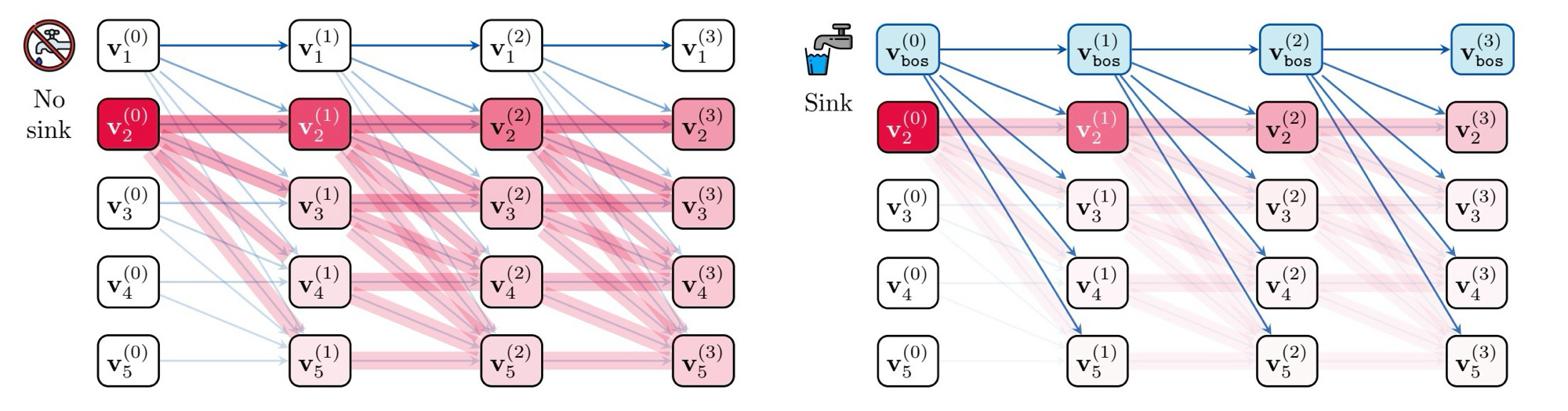
Geometric Deep Learning mini-project at the University of Oxford. Extends the multi-layer sensitivity bound of Barbero et al. (2025) to Graph Transformers, revealing that, unlike LLMs, full attention weakens sink pressure as graphs grow, and that edge-conditioned gating suppresses over-mixing.
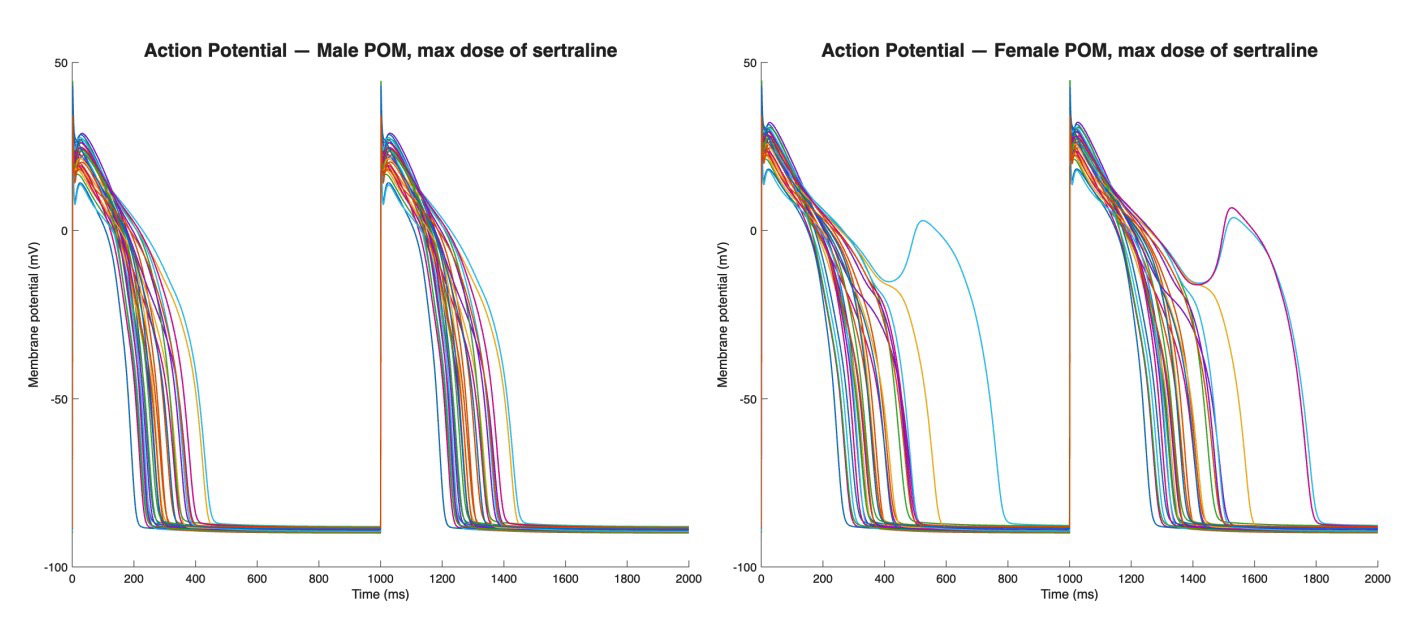
Computational Medicine mini-project at the University of Oxford. Uses the ToR-ORd cardiomyocyte model and a population-of-models approach to show that female hearts are quantifiably more vulnerable to antidepressant-induced arrhythmias, supporting sex-differentiated prescription guidelines.
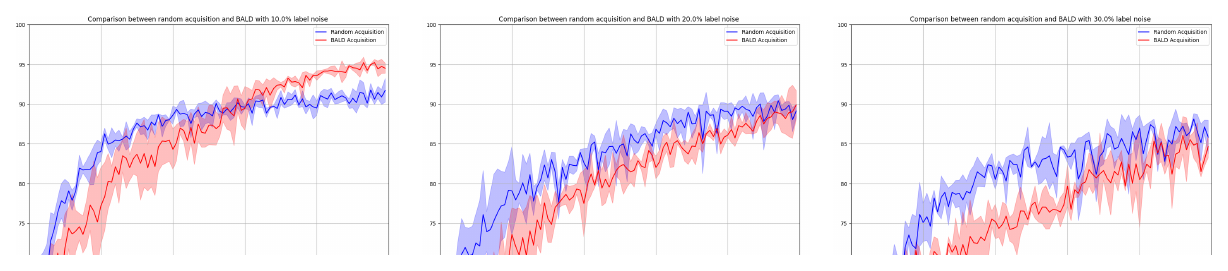
Uncertainty in Deep Learning mini-project at the University of Oxford. Reproduces Bayesian deep active learning, then extends it with a label-likelihood filter for noisy labels and clustering-based diversity-aware acquisitions to speed up convergence.
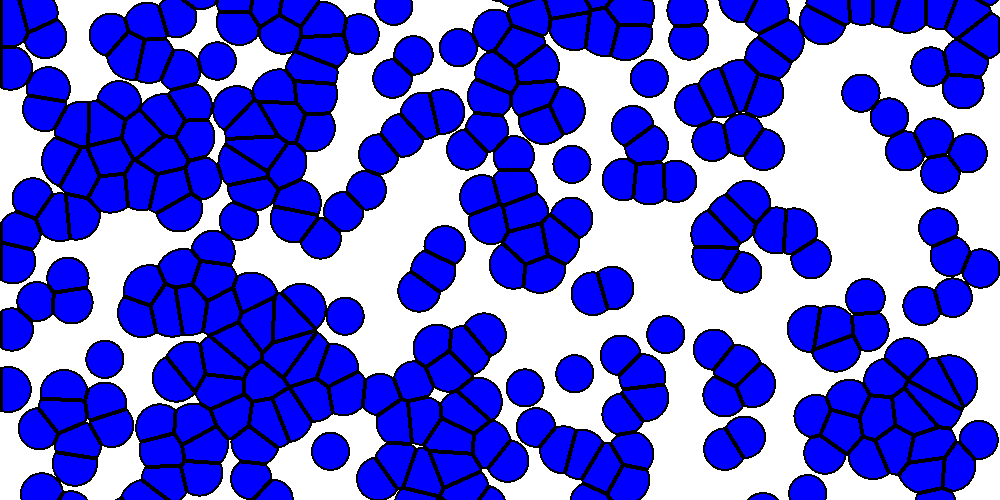
CSE306 Computer Graphics project at École Polytechnique. A free-surface 2D fluid solver built from the ground up: Voronoï and Power diagrams, semi-discrete optimal transport optimised with L-BFGS, and the de Gallouet-Mérigot incompressible Euler scheme.
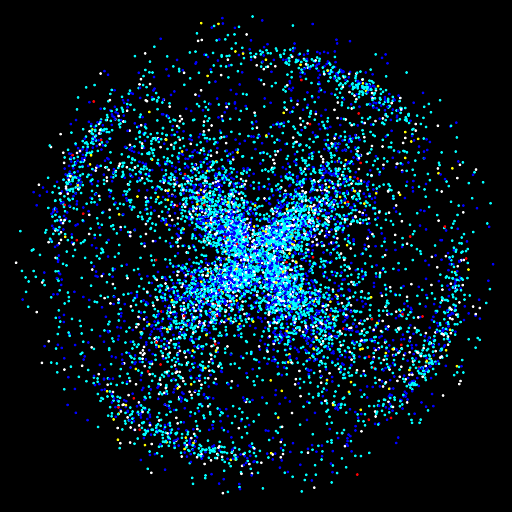
CSE305 concurrent programming project at École Polytechnique. A gravitational N-Body simulator taken from a naive sequential solver to dynamically load-balanced parallel, Barnes-Hut, and CUDA-accelerated implementations, fast enough to run 100 thousand bodies over a month in about 30 seconds.